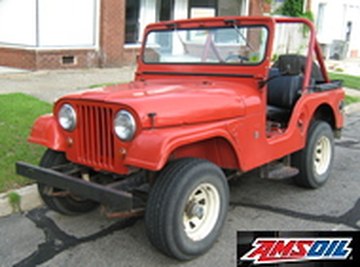
Maintaining the 1981 Jeep DJ-5 2.5L Engine Lubrication System
Proper engine care for a vehicle like the 1981 Jeep DJ-5 involves more than just periodic fluid changes; it requires a consistent approach to monitoring the mechanical health of the 2.5L powerplant. Because this vehicle is an older model, maintenance strategies should focus on observing how components age and ensuring that all lubrication remains effective under various operating conditions.Monitoring Fluid Integrity and Potential Seepage
One of the most practical ways to assess the condition of a 1981 Jeep DJ-5 is through regular visual inspections for fluid integrity. Over time, various seals and gaskets may undergo changes in elasticity due to heat cycles and age. Rather than assuming a component has failed, an owner should look for evidence of seepage or active leaks around sealing surfaces. When performing routine checks, it is useful to inspect the area surrounding the engine block and any accessible connection points. If you notice wetness or residue on the underside of components, this may indicate that a seal is beginning to lose its effectiveness. Similarly, checking the condition of hoses, if present, can prevent secondary issues; brittle or cracked hoses can lead to coolant loss or vacuum leaks, which indirectly affect engine performance and temperature management. Beyond external leaks, the appearance of the oil itself provides significant information. If the lubricant appears excessively dark, gritty, or shows signs of unusual contamination, it may warrant an earlier service than originally planned. Maintaining a clean environment around the engine helps in distinguishing between minor surface residue and actual fluid loss.Observing Operational Changes and Warning Signs
A proactive owner pays close attention to how the 2.5L engine behaves during startup and throughout its operating range. While many mechanical changes can have multiple underlying causes, certain symptoms should always prompt a closer investigation. For example, if you notice unusual mechanical noises that were not previously present, this could be related to various internal or external components. Similarly, any unexpected changes in how the engine consumes fluids should be documented. If you find that you are needing to top off levels more frequently than in the past, it is important to investigate why this change is occurring. Changes in exhaust characteristics can also serve as a signal for inspection. While smoke color or volume can be influenced by many factors, any sudden or persistent change in exhaust appearance should be treated as a reason to check the engine's overall health. Furthermore, if an oil-related warning indicator appears on the dashboard, this requires immediate attention to prevent potential damage. Always remember that a single symptom does not provide a definitive diagnosis; instead, use these signs as prompts to perform a more thorough inspection of the system.Prioritizing Maintenance Through Condition-Based Assessment
As vehicles age, the approach to maintenance often shifts from following rigid schedules to assessing the actual condition of the machine. For an owner of a 1981 Jeep DJ-5, this means prioritizing tasks based on what the vehicle actually needs at any given moment. If you are stepping into ownership without a complete service history, your first priority should be establishing a maintenance baseline. This involves performing a comprehensive inspection of all fluids, belts (if equipped), and electrical connections to understand the current state of the vehicle. Once this baseline is set, you can begin keeping detailed records of every service performed, including the type of products used and any observations made during inspections. When deciding where to focus your efforts, address active concerns first—such as visible leaks or unusual noises—before moving on to purely preventive measures. This condition-based approach ensures that resources are directed toward the most pressing needs of the engine. It also helps in distinguishing between necessary repairs and unnecessary parts replacement, which is vital for the long-term stewardship of an older vehicle.The Role of Lubrication in Engine Longevity
Engine oil performs several essential roles that are critical to the continued operation of the 2.5L engine. Beyond simply reducing friction between moving parts, the lubricant plays a significant role in managing the thermal environment within the engine. It helps carry heat away from high-temperature areas, assisting the cooling system in maintaining stable operating temperatures. Furthermore, the chemical properties of the oil are designed to manage contaminants. As an engine operates, small amounts of combustion byproducts and other particulates can enter the lubrication system. A high-quality lubricant is engineered to hold these particles in suspension, preventing them from settling and forming deposits or sludge that could interfere with mechanical movement. Maintaining clean, fresh oil is one of the most effective ways to ensure that these protective functions remain consistent over time.Effective Record Keeping for Long-Term Ownership
For a vehicle of this era, documentation is an invaluable tool. Keeping a dedicated log of all maintenance activities—including oil changes, filter replacements, and any repairs made to the cooling or ignition systems (if applicable)—allows you to identify patterns. If you notice that certain components require more frequent attention or that fluid consumption is increasing over several months, your records will provide the data necessary to make informed decisions. This history is also beneficial if you ever decide to pass the vehicle on to a new owner, as it demonstrates a commitment to consistent care and provides a clear picture of the engine's service life.Practical Guidance for Buying Engine Oil for your 1981 Jeep DJ-5 2.5L
When it is time to replenish your engine lubricant, the most important step is to ensure the product matches the specific requirements of your application. Rather than relying on general automotive knowledge or assumptions based on the vehicle's age, you should always refer to the application-specific information provided on this page. Match the engine oil to the vehicle-specific viscosity and application information shown above. When selecting a product, consider the following:- Check Product Labels: Always verify that the oil you are purchasing meets the appropriate API certification standards listed in your documentation.
- Evaluate Formulations: Depending on your specific needs, you may choose between conventional, synthetic blend, or full synthetic oils. Some high-mileage formulations also contain additives intended for use in aging engines, including seal-conditioning additives.
- Verify Compatibility: Ensure the oil is compatible with the 2.5L engine configuration as specified in your vehicle's technical data.